Example: Leveraging AI to Enhance Art Education
This project aims to develop an AI-powered system that supports inquiry-based learning during art museum visits this project aims to develop an AI-powered system that supports inquiry-based learning during art museum visits, evaluate its impact on art students’ learning outcomes, and investigate its acceptance by artists and museums.
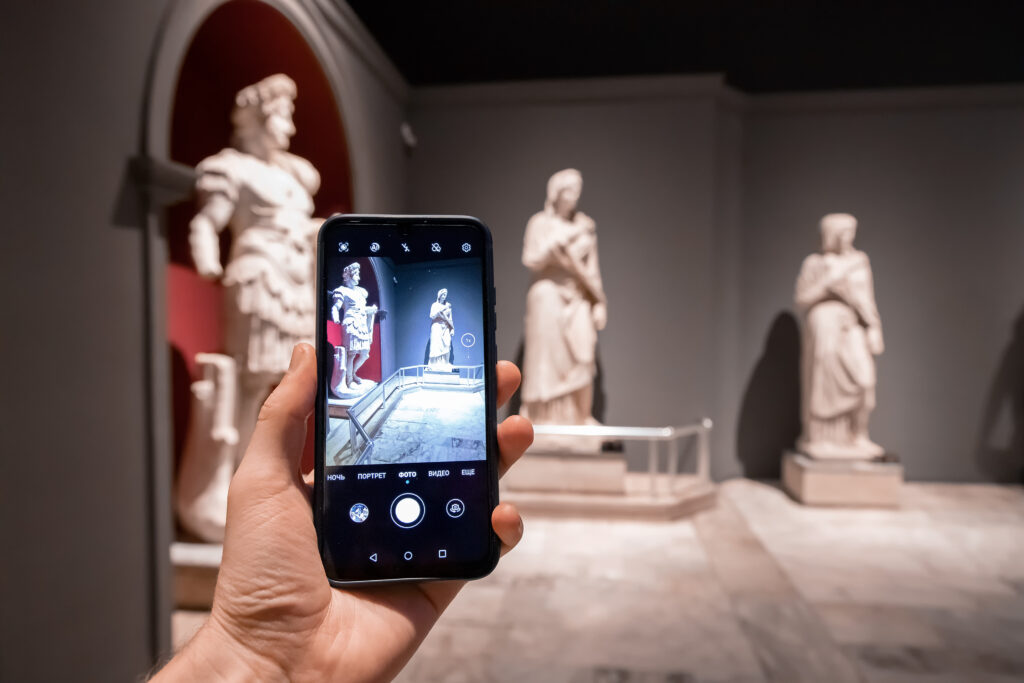
PROBLEM
The current approach in many art museums and exhibitions restricts visitors’ ability to fully understand the artists and their works. Art museums often provide minimal contextual information about artworks, as curators prioritize aesthetic experience over detailed labeling. Consequently, learning about artworks and artists often takes place outside the exhibition, which can diminish the overall learning experience.
Recently, systems like Useum, Bloomberg connect, and The voice of art have been developed to enhance art education and user experience during exhibition visits. For example, A Voz da Arte (“The Voice of Art”), an AI-driven system that utilizes data from the internet to answer visitor inquiries about artworks. Whilethese systems are effective at engaging visitors, their reliance on online data can lead to AI hallucinations that can misrepresent artists and their work, hindering learners’ ability to accurately understand both the artwork and the artist.
SOLUTION
We propose an AI-powered system designed to support inquiry-based learning about artwork and artists during exhibition visits. The system will use information about the artwork and artists gathered directly from the artists to address the problem of AI hallucination. We used the “Framing Your Design Challenge” worksheet to iteratively scope the challenge and develop the proposed solution.
DESIGN THINKING PROCESS
To develop the proposed solution we adopted the design thinking process which includes following iterative stages:
1. Empathize
The goal of in this stage was to understand our target users, their goals, motivations, frustrations, and current behaviors related to their learning experience during art exhibition visits. While Artists play equally important role to solve the problem, in this project we primarily focus on the exhibition visitors due to the limited time and resources.
Interviews
Our team conducted 9 interviews (3 per team member). Interview participants included art 6 undergrad students and 3 graduate students (age ranging from 20 to 25) majoring in art history. Interviews were conducted in-person using Otter.ai for transcription.
Empathy Maps
We analyzed each interview transcripts and created empathy maps to understand what users say, do, feel, and think about current art exhibition experience. Here are 2 examples of the empathy representing key patterns across users.
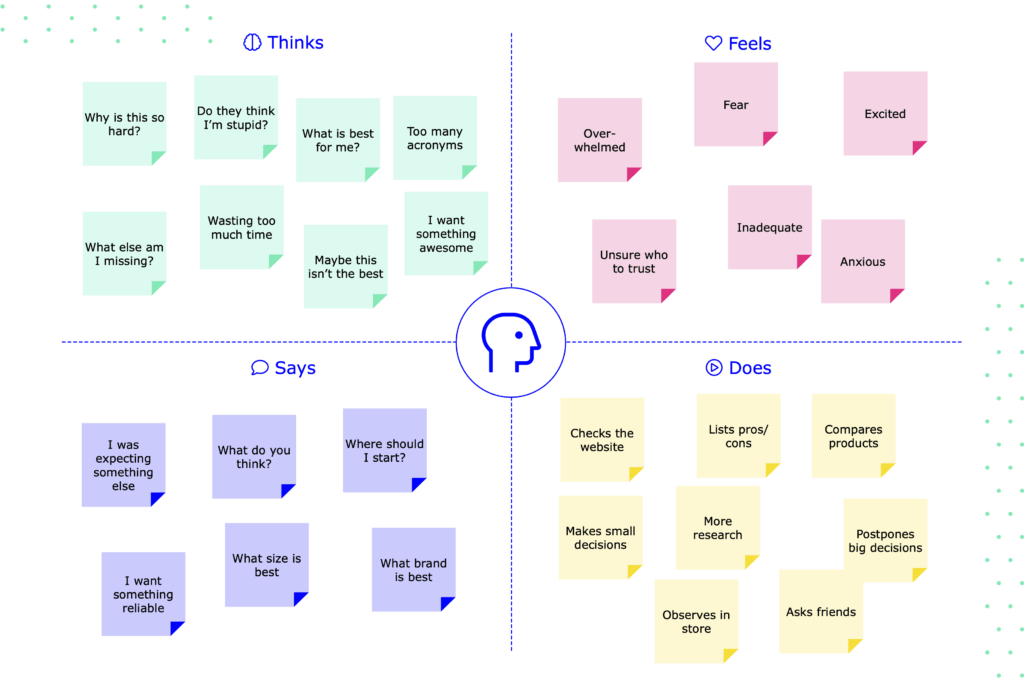
Interview Insights
To gather collective insights from our interviews, we conducted thematics analysis of the interviews using ChatGPT. From the analysis, we found the following four themes across interview data:
Need for Deeper Context: Participants consistently expressed a desire for more background information about the artwork and artist. While museum labels provide basic details, users felt they lacked interpretive depth. One participant noted, “I want to know the story behind the piece, not just the title and year.” This suggests that visitors are seeking richer contextual understanding to make meaning of what they see.
Need for Interactive Learning: Many users preferred engaging, conversational learning experiences rather than passively reading wall text. They wanted opportunities to ask questions and explore ideas in a guided way. As one participant shared, “Sometimes I have questions, but there’s no one to ask.” This highlights the need for systems that support inquiry-based exploration.
Fragmented Learning Experience: Several participants described continuing their learning outside the museum because the information available during the visit felt insufficient. One stated, “I usually Google the artist when I get home.” This pattern indicates that the current experience disrupts immersion and separates engagement from reflection.
2. Define
In this stage we translated user insights into actionable design directions. We focused on defining a primary user, mapping their experience, and clarifying how AI could meaningfully support their needs.
Persona
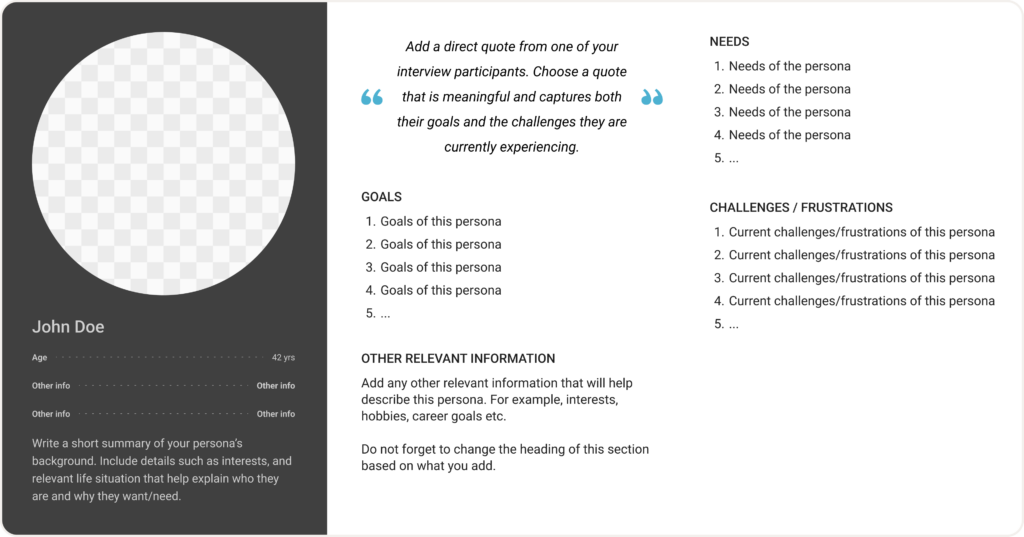
Based on interview patterns, we developed the following personas that represented our target audience, including their goals, needs, and frustrations.
User Journey Map
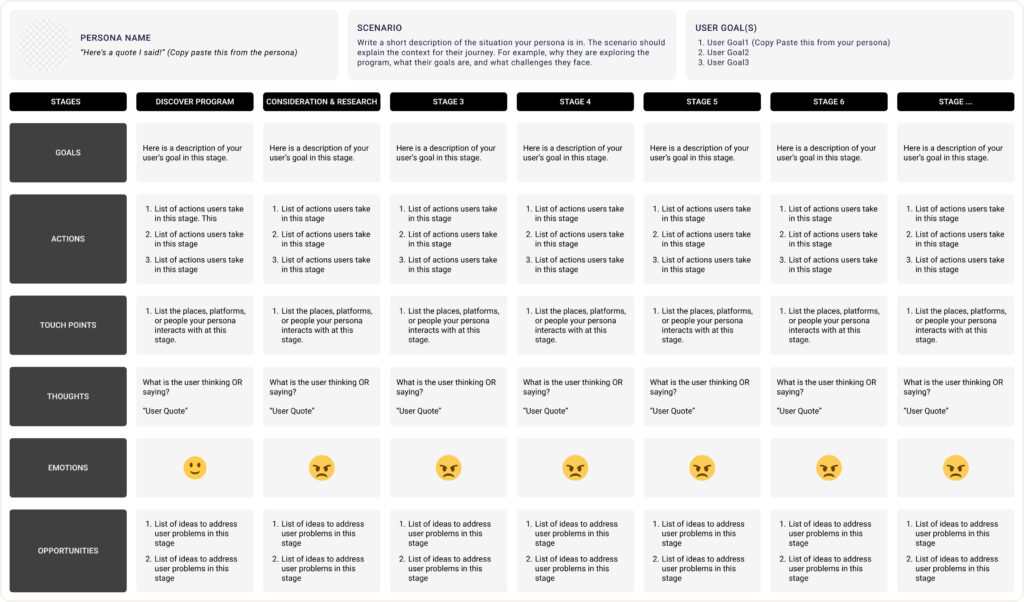
We then visually mapped our persona’s, Maya’s journey during an art exhibition visit to identify pain points and opportunities.
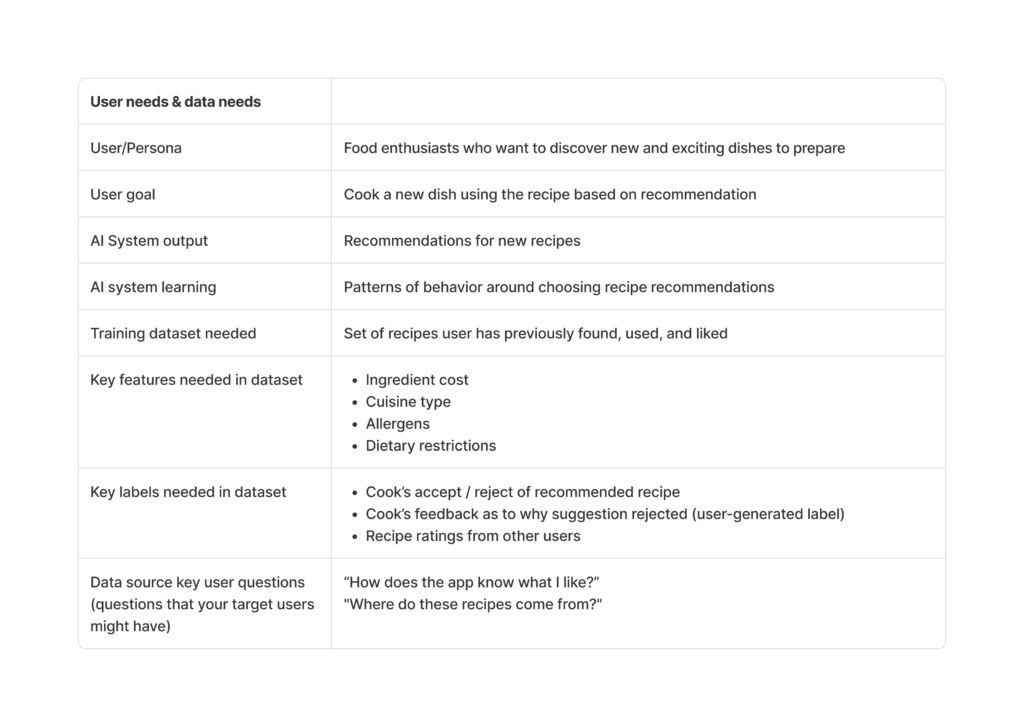
Mapping AI need to Data Requirements
To meaningfully integrate AI into our solution, we examined our research findings, focusing on the persona and user journey map to identify the most critical user needs. We defined three primary needs: enabling inquiry-based learning, providing accurate and curated information, and supporting deeper reflection without overwhelming users.
For each user need, we critically evaluated the role of AI using this worksheet. We discussed where AI is necessary, where it meaningfully enhances the experience, and where it may add little value or even introduce risks. For example, AI’s ability to summarize and synthesize information can effectively support inquiry-based learning by allowing users to ask specific questions about an artwork and receive tailored responses based on available data. However, AI may struggle to provide accurate and curated information if the system relies on incomplete, unverified, or externally sourced data not approved by the artist or museum.
Finally, we mapped user needs to clear data requirements to ensure the solution is grounded in both user insights and reliable information sources. We determined that the system needs curated inputs such as artwork descriptions, artist biographies, artwork images, and exhibition information to support inquiry-based learning while maintaining accuracy.
3. Ideate